
Degenerative Disc Disease Treatment in Dubai (DDD)
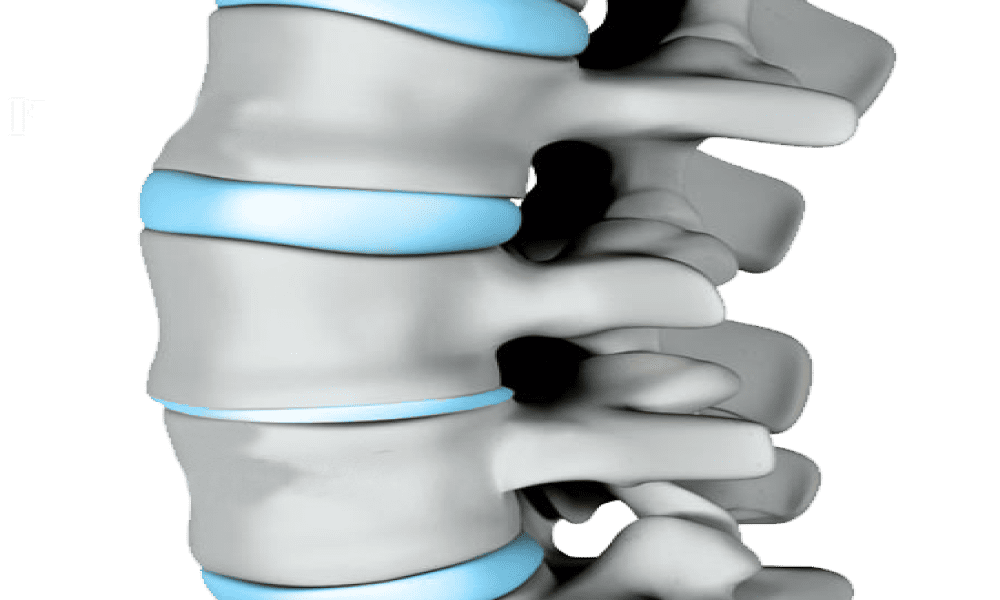
The term “Degenerative” is understood as a disease that increases with age; however, the term ‘’ Degenerative Disc Disease” describes the process of disc degeneration over time.
What is Degenerative Disc Disease (DDD)?
The term “disc” refers to the soft, cushioning structure located between the vertebrae of the spine. These discs act as natural shock absorbers, protecting the spine, supporting movement, and reducing pressure on the spinal column.
Over time, due to factors such as ageing, genetics, or excessive physical stress, these discs may lose their normal structure and function. This process is known as degenerative disc disease.
As the discs deteriorate, they become less effective in absorbing shock and maintaining flexibility. This can lead to a range of symptoms, including:
Neck or lower back pain
Reduced mobility and stiffness
Nerve-related symptoms such as sciatica caused by disc prolapse
The severity of symptoms can vary from mild discomfort to more persistent pain that affects daily activities. Early diagnosis and appropriate management play a key role in controlling symptoms and maintaining spinal health.
What causes degenerative discs?
Degenerative disc disease is a common condition often associated with ageing, which can lead to spinal pain and reduced flexibility. However, it may also develop due to a combination of factors, including genetics, lifestyle, and mechanical stress on the spine.
To better understand this condition, it is important to first consider the structure and function of the intervertebral discs, which play a key role in maintaining spinal movement and absorbing pressure.
When the condition affects the lower spine, it is commonly referred to as lumbar disc disease. This can result in persistent lower back pain and, in some cases, nerve-related symptoms such as numbness, tingling, or weakness in the legs.
Anatomy Of discs
Intervertebral discs are composed of a soft inner core called the nucleus pulposus, a gelatinous material that absorbs shock, provides flexibility, nourishes surrounding tissues, and protects the spinal canal. This core is surrounded by a tougher outer layer, the annulus fibrosus, which shields the inner core while offering resistance to twisting and rotational forces.
In healthy young adults, discs are made up of approximately 90% fluid. With age, the fluid content decreases, leading to reduced spacing between the vertebrae and diminished biomechanical function. As a result, the discs provide less cushioning, increasing the risk of wear, tear, and disc degeneration.
While disc degeneration can affect any part of the spine, the cervical (neck) and lumbar (lower back) regions are most commonly involved. Cervical degenerative disc disease may cause neck pain and discomfort radiating into the arms, while lumbar disc degeneration often leads to lower back pain and may affect the legs.
Symptoms of Disc Degeneration
Symptoms vary depending on the location and severity of degeneration. Common signs include:
Lower back, buttock, or upper thigh pain if the lumbar discs are affected
Neck, shoulder, or arm pain if cervical discs are involved
Pain that worsens when sitting and improves with standing or walking
Sharp, pinching sensations during certain movements
Persistent or intermittent pain that may last for months
Degenerative disc disease can also contribute to spinal osteoarthritis, resulting in chronic discomfort. Treatment options vary based on the severity and symptoms and may include physical therapy, pharmacological management, or in advanced cases, surgical intervention.
Diagnosis
Dr. Athar Muniruddin Siddiqui begins by taking a detailed medical history, asking about the nature, onset, and progression of your symptoms. This is followed by a thorough physical examination to evaluate spinal alignment, range of motion, motor strength, sensation, and reflexes.
Depending on your condition, additional diagnostic tests may be recommended, including X-rays, MRI, or occasionally CT scans. Some patients may also benefit from neurophysiological studies, such as nerve conduction studies (NCS) or electromyography (EMG), to assess nerve function.
Treatment for degenerative disc disease is tailored to each patient and may include non-surgical or surgical approaches. Most individuals experience relief with non-operative measures, such as:
Activity modification
Targeted physiotherapy
Pain management with analgesics or injections
Surgery, such as spinal fusion, is reserved for patients who do not respond to conservative treatments or who have significant neurological symptoms. While surgical intervention can be beneficial in selected cases, the outcomes for neck or back pain without nerve involvement are often unpredictable, making non-surgical care the preferred first approach.
Table of Contents
Dr. Athar Muniruddin Siddiqui At Dr. Ziauddin Hospital