
Spondylolisthesis Treatment
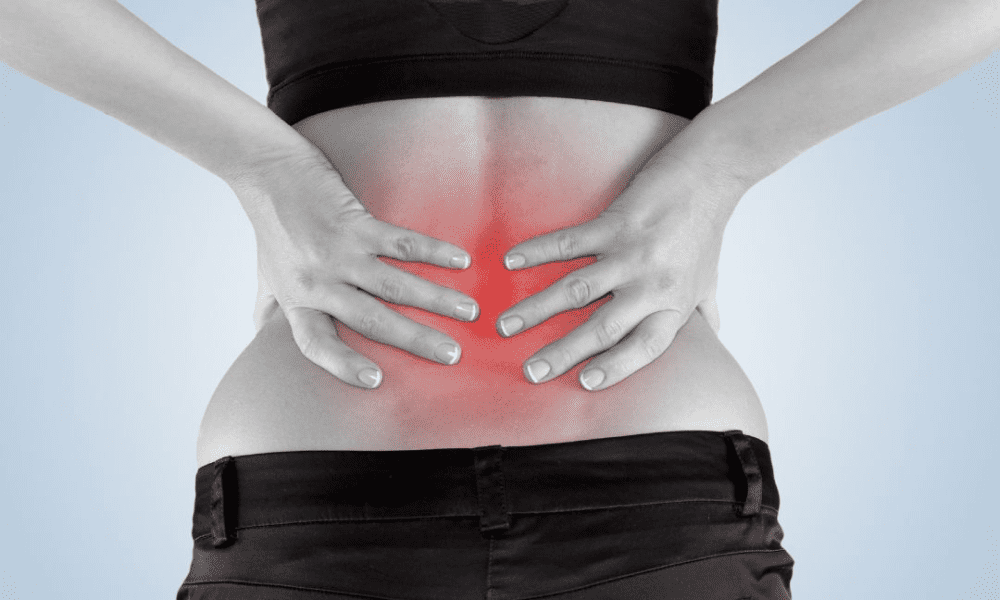

What is Spondylolisthesis?
Spondylolisthesis is a spinal condition in which one vertebra slips forward over the vertebra beneath it. This displacement can place pressure on nearby nerves, leading to lower back pain and, in some cases, nerve-related symptoms.
In mild to moderate cases, treatment is usually non-surgical, focusing on pain management, physiotherapy, and activity modification to control symptoms and improve stability.
For more advanced cases, where symptoms are severe or progressive, surgical intervention may be considered to realign and stabilize the spine, relieving nerve compression and restoring function.
Types of Spondylolisthesis
Spondylolisthesis can occur for a variety of reasons and is classified into different types based on its underlying cause:
Common Types of Spondylolisthesis
Congenital Spondylolisthesis
This type is present from birth and occurs when the spine does not develop properly during fetal growth. Structural abnormalities may increase the risk of vertebral misalignment later in life.
Isthmic Spondylolisthesis
This form develops due to a defect or stress fracture in a part of the vertebra known as the pars interarticularis. It is commonly seen in individuals involved in activities that place repetitive stress on the spine, such as gymnastics or certain sports.
Degenerative Spondylolisthesis
The most common type, typically associated with ageing. It results from gradual wear and tear of the spinal joints and discs, leading to instability. It is more frequently observed in middle-aged individuals, particularly at the L4–L5 level.
Less Common Types
Traumatic Spondylolisthesis
Occurs as a result of a significant injury or trauma that causes displacement of a vertebra.
Pathological Spondylolisthesis
Develops due to underlying conditions such as osteoporosis or spinal tumors, which weaken the structural integrity of the spine.
Post-Surgical Spondylolisthesis
This type may occur following spinal surgery, where changes in spinal stability can lead to vertebral slippage over time.
Symptoms of Spondylolisthesis
The onset of spondylolisthesis is often gradual, and many patients may not immediately recognize the condition. The most common and noticeable symptom is lower back pain, which can vary in intensity.
Other symptoms may include:
- Muscle spasms, particularly in the lower back
- Pain radiating from the lower back into the buttocks and legs
- Stiffness in the back
- Difficulty standing or walking for extended periods
- Pain that worsens with bending or movement
- Numbness, weakness, or tingling sensations in the legs or feet
The severity and combination of symptoms can vary depending on the degree of vertebral slippage and nerve involvement. Early evaluation and appropriate management can help prevent progression and improve overall function.
Causes of Spondylolisthesis
Spondylolisthesis affects approximately 6% of adults, with the risk increasing significantly after the age of 50. The condition can develop due to a variety of factors, including:
- Sports-related injuries or repetitive stress on the spine
- Traumatic accidents that cause vertebral displacement
- Congenital causes, where the spine is underdeveloped or structurally abnormal from birth
- Heredity, as some spinal structural weaknesses can be inherited
- Age-related degeneration, leading to wear and tear of the spinal joints and discs
Understanding these risk factors can help in early recognition and timely management of spondylolisthesis.
How is Spondylolisthesis
For an accurate diagnosis of spondylolisthesis, Dr. Athar Muniruddin Siddiqui begins by reviewing the patient’s complete medical history and discussing their symptoms in detail.
To gain a clearer understanding of the spine’s structure and identify the extent of vertebral slippage, further imaging is often recommended. Common diagnostic tests include:
- X-rays – to evaluate bone alignment, vertebral slippage, and structural changes
- MRI scans – to assess soft tissues, discs, and nerve involvement
These investigations allow Dr. Siddiqui to develop a personalized treatment plan tailored to the patient’s specific condition and needs.
Spondylolisthesis Treatment
Spondylolisthesis can often be effectively managed through conservative, non-surgical approaches. Dr. Athar Muniruddin Siddiqui tailors treatment to the patient’s symptoms, lifestyle, and spinal condition. Common non-operative treatments include:
Non-Surgical Treatments
Activity Modification
Avoiding activities that worsen symptoms helps prevent further vertebral stress and allows the spine to recover.
Medications
Pain relief and inflammation control are achieved using analgesics and non-steroidal anti-inflammatory drugs (NSAIDs), such as ibuprofen or naproxen.
Injections
Targeted steroid injections can be used to reduce inflammation and pain in the affected area. These may also serve a diagnostic purpose to pinpoint the source of discomfort.
Physiotherapy
Dr. Siddiqui often recommends a personalized physiotherapy program, including targeted abdominal and spinal strengthening exercises. Regular exercise improves mobility, relieves symptoms, and strengthens muscles and bones to support the spine.
Bracing
For younger patients or adolescents, a spinal brace or corset can provide additional stability, restrict harmful movement, and allow the spine to heal properly.
Surgical Treatments
When conservative measures are insufficient, surgery may be considered to decompress nerves and stabilize the spine. Dr. Siddiqui offers specialized surgical options, depending on the patient’s needs:
Decompression Surgery
This procedure relieves pressure on the nerves, reducing leg pain and other nerve-related symptoms.
Fusion Surgery
In fusion surgery, the affected vertebrae are connected to adjacent vertebrae using rods, screws, and bone grafts. Over time, the graft fuses into a single, stable structure, providing long-term spinal stability.
Dr. Siddiqui always prioritizes non-operative treatments first, ensuring surgery is only considered when absolutely necessary. Each treatment plan is personalized to achieve optimal pain relief, improved mobility, and long-term spinal health.
Table of Contents
Dr. Athar Muniruddin Siddiqui At Dr. Ziauddin Hospital