
Spinal Injections

What Are Spinal Injections and How Do They Work?
A nerve block injection, also known as a Selective Nerve Root Block (SNRB), is used both to diagnose and treat irritation of a spinal nerve. During the procedure, medication-typically a local anaesthetic alone or combined with a steroid-is injected near the spinal nerve as it exits through the intervertebral foramen (the bony opening between adjacent vertebrae).
This medication reduces inflammation around the nerve and temporarily numbs the pain signals being transmitted to the brain.
How Do These Injections Work?
Steroids are commonly used in nerve block procedures because of their powerful anti-inflammatory effects. When combined with local anaesthetics, they help relieve pain through several mechanisms:
- Inhibiting enzymes that contribute to nerve irritation and pain, such as phospholipase A
- Blocking specific pain-carrying nerve fibres (C fibres)
- Reducing the permeability of nerve fibres to blood, which decreases pain transmission
- Minimising the pain signals sent from the affected nerve to the brain
Together, these effects reduce inflammation and significantly alleviate pain.
Table of Contents
Types of Nerve Root Block Procedures
Nerve root block procedures include several specialised techniques:
Foraminal Nerve Root Blocks
Transforaminal Epidural Injections
Dorsal Root Ganglion Blocks
All of these injections target specific spinal nerves to reduce pain caused by conditions such as herniated discs, spinal stenosis, or nerve compression.
Foraminal nerve root blocks focus on the openings (foramina) where nerves exit the spine.
Transforaminal epidurals deliver anti-inflammatory medication into the epidural space around the nerve roots.
Dorsal root ganglion blocks target clusters of nerve cells responsible for transmitting pain signals.
These procedures aim to relieve radiating nerve pain, reduce inflammation, and restore comfort and mobility.
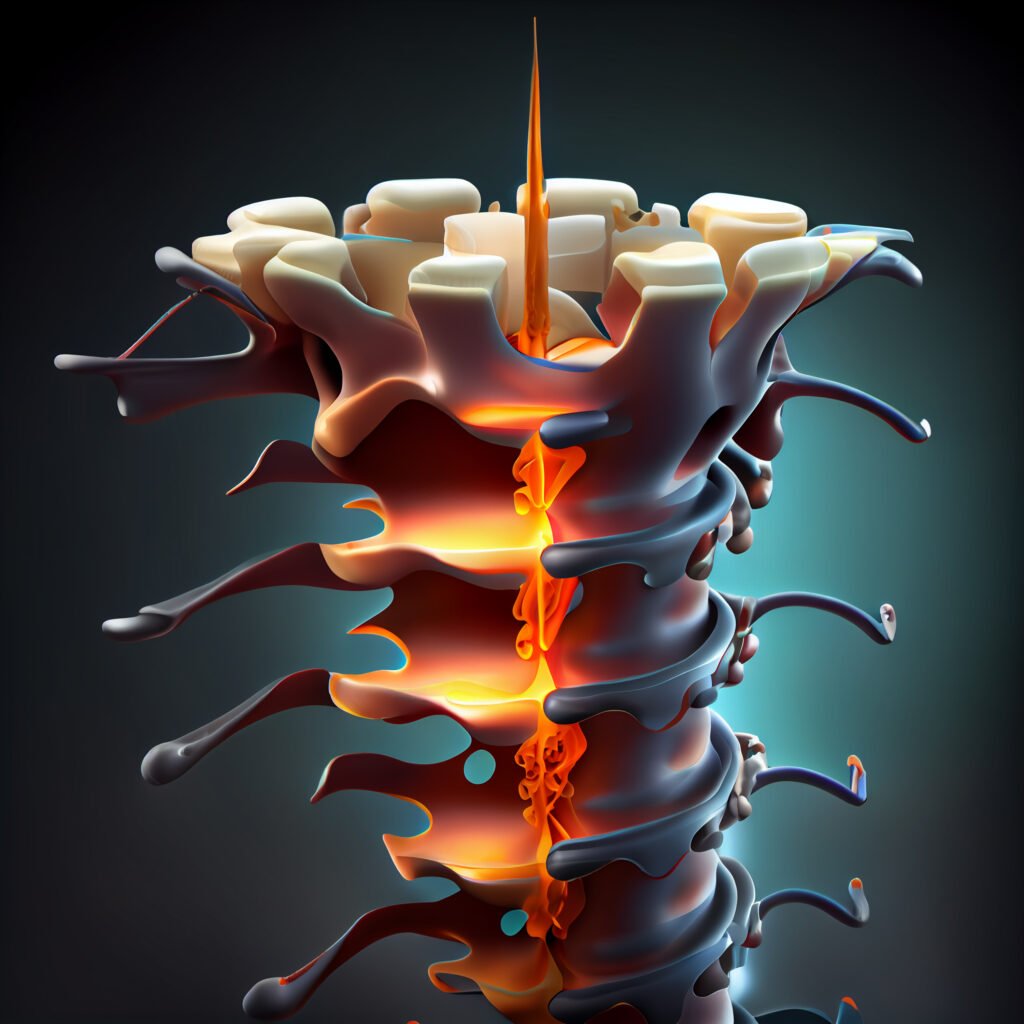
Cervical Facet Joint Injections
Facet joints in the cervical spine (neck) allow for smooth movement and flexibility. However, conditions such as osteoarthritis, joint instability, trauma, or inflammation can cause significant neck pain, often worsened by extension, bending, or rotation.
A cervical facet joint injection involves placing a local anaesthetic and anti-inflammatory medication directly into the affected joint. This reduces inflammation, relieves pain, and improves neck mobility.
Dr Athar uses cervical facet joint injections as a precise and effective treatment for cervical spine-related pain, helping patients regain comfort and function.

Lumbar Facet Joint Injections
The lumbar spine refers to the lower back. The facet joints located here can become painful due to arthritis, injury, or wear and tear.
A lumbar facet joint injection delivers a combination of local anaesthetic and anti-inflammatory medication directly into the affected joint. This targeted treatment reduces inflammation, alleviates lower back pain, and improves spinal function.
Dr Athar offers lumbar facet injections as a non-surgical option for patients seeking relief from persistent lower back discomfort.

Sacroiliac Joint Injections
The sacroiliac (SI) joints connect the sacrum to the pelvic bones and act as shock absorbers between the upper body and legs. Pain in the lower back, hips, or buttocks is often linked to dysfunction in these joints.
A sacroiliac joint injection serves both diagnostic and therapeutic purposes. A local anaesthetic is injected into the SI joint under imaging guidance such as X-ray or fluoroscopy to ensure accurate needle placement. Contrast dye may also be used to confirm correct positioning.

By performing this injection, Dr Athar can determine whether the SI joint is the source of pain and, at the same time, provide significant relief.
Trigger Point Injections
Trigger points are tight, sensitive knots within muscle tissue that develop due to acute injury or repeated strain. These knots can cause local pain and contribute to conditions like muscle tension and myofascial pain syndrome.
A trigger point injection involves administering a local anaesthetic or saline directly into the affected muscle knot. This helps the muscle relax, relieves pain, and restores normal function.
Dr Athar uses trigger point injections to effectively treat muscle-related spinal discomfort and improve overall patient comfort.

Sacroiliac Joint Injections
The sacroiliac (SI) joints connect the sacrum to the pelvic bones and act as shock absorbers between the upper body and legs. Pain in the lower back, hips, or buttocks is often linked to dysfunction in these joints.
A sacroiliac joint injection serves both diagnostic and therapeutic purposes. A local anaesthetic is injected into the SI joint under imaging guidance such as X-ray or fluoroscopy to ensure accurate needle placement. Contrast dye may also be used to confirm correct positioning.

By performing this injection, Dr Athar can determine whether the SI joint is the source of pain and, at the same time, provide significant relief.
Dr. Athar Muniruddin Siddiqui